
This is part of our series of blog posts designed to help customers understand their vehicle better. Please keep in mind these are general descriptions of how these modules function. There are differences in many years and models, but generally the principles remain the same.
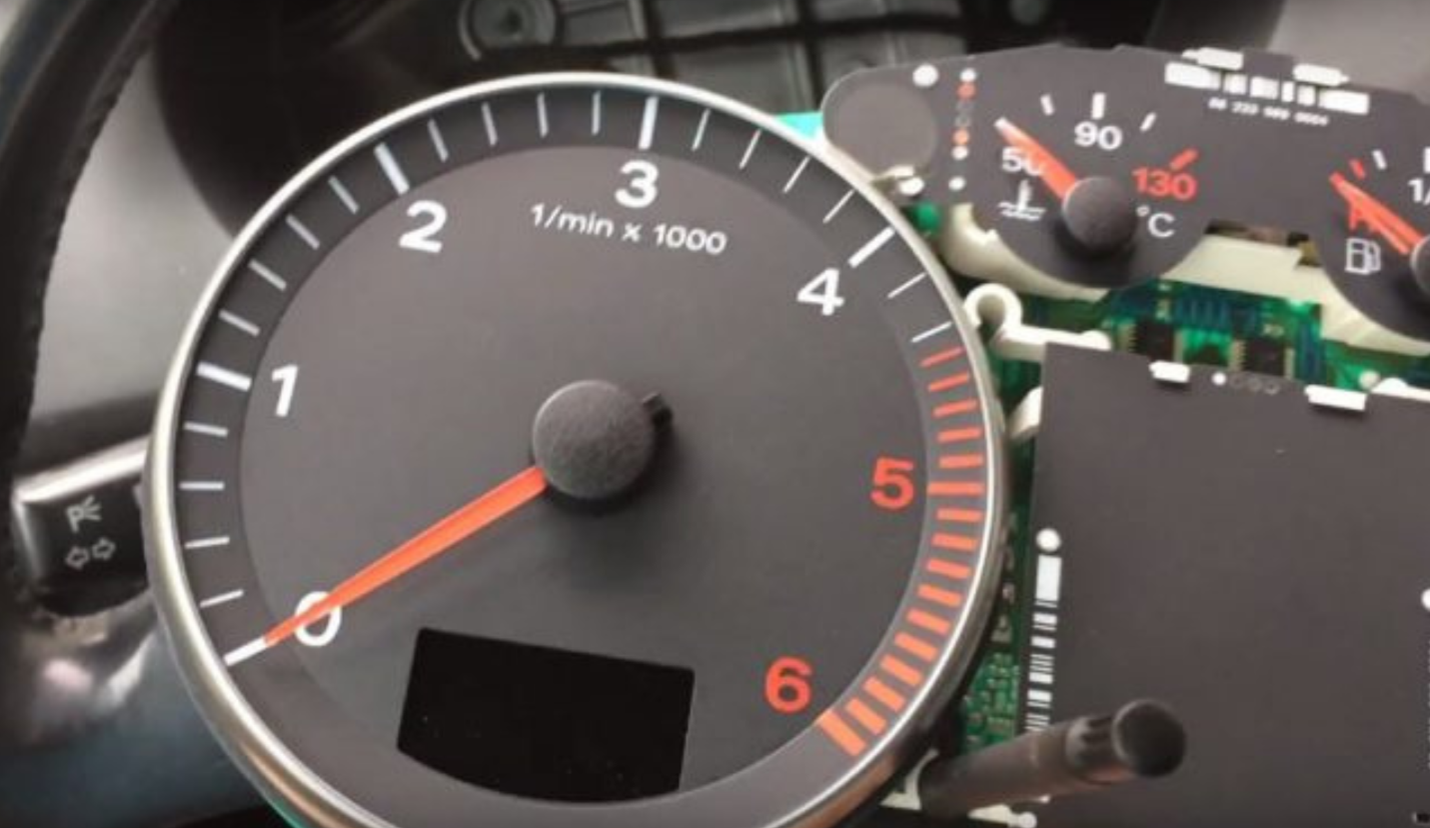
Your vehicle’s instrument cluster, sometimes called the Driver Information Module (DIM), Gauge Meter, or Instrument Panel Cluster (IPC), is more than just a display of gauges and lights. It’s the central hub for real-time information about your car’s speed, fuel level, engine health, and safety systems.
When the cluster starts to fail, the consequences can range from annoying to dangerous. Understanding the common symptoms of a faulty instrument cluster, along with the diagnostic trouble codes (DTCs) that may appear, can help drivers recognize issues early before they turn into safety hazards.
Common Symptoms of a Failing Instrument Cluster
A malfunctioning cluster can present itself in many ways. Here are the most frequently reported symptoms:
- Dead or Inoperative Gauges: Speedometer, tachometer, fuel, or temperature gauges stop working or give inaccurate readings.
- Flickering or Dim Backlighting: The cluster lights fade, flicker, or fail completely, making it hard to see at night.
- Intermittent Power Loss: The entire cluster shuts down randomly while driving, then comes back on.
- Warning Lights Stuck On or Off: ABS, airbag, or check engine lights may stay illuminated when no fault is present or fail to appear when they should.
- Digital Display Failures: LCD or LED screens that show odometer readings, gear position, or driver messages may go blank, pixelated, or unreadable.
- Clicking Noises or Erratic Gauge Movement: Stepper motor failures may cause gauges to jump, shake, or reset unpredictably.

Common Diagnostic Trouble Codes (DTCs) for Faulty Clusters
When scanned with a diagnostic tool, a failing instrument cluster may store specific trouble codes. Some of the most common include:
- U0155 – Lost Communication with Instrument Panel Cluster
- B2627 – Panel Illumination Circuit Fault
- B1650 – Gauge Circuit Malfunction
- U0167 – Lost Communication with Vehicle Immobilizer Module (often cluster-related)
- B1676 – Voltage Out of Range for Cluster
- U0100/U0101 – General communication failures with PCM/TCM that may originate at the cluster
These codes don’t always mean the cluster itself has failed. Sometimes wiring or power supply issues are to blame. However, repeated or multiple cluster-related codes are a strong sign the unit itself is defective.
Vehicles Commonly Affected by Cluster Failures
While any vehicle can develop cluster problems, some makes and models are particularly prone to failure. These include:
- Volvo (Driver Information Module / DIM): Common on models like the S60, V70, and XC90, often due to failing solder joints or dim backlighting.
- General Motors (GM) Trucks & SUVs: Silverado, Sierra, Tahoe, Suburban, and Yukon frequently suffer from failed stepper motors, leading to inaccurate speedometer or tachometer readings.
- BMW (Kombi Instrument): Pixel failures on digital displays are a widespread issue in older 3 Series, 5 Series, and X5 models.
- Audi & Volkswagen: LCD screen malfunctions and intermittent power loss are common, especially in early 2000s models.
- Honda & Acura (Gauge Meters): Display failures and illumination issues affect various Accord, Civic, and TL/MDX models.
- Ford & Lincoln: Intermittent power loss and failing backlighting in F-150, Explorer, and Navigator clusters are common complaints.
Why These Failures Matter
Driving with a faulty cluster can be unsafe. Without reliable speed readings, fuel level indicators, or safety warning lights, drivers may unknowingly put themselves and others at risk. Over time, unresolved cluster failures can also mask serious mechanical issues, such as low oil pressure or overheating, that would normally trigger a warning.
XeMODeX: Trusted Experts in Cluster Repair
At XeMODeX, we’ve seen it all. From simple backlight issues to complex failures in fully digital instrument panels, our technicians have repaired literally thousands of instrument clusters across a wide range of makes and models.
Thanks to decades of experience and ongoing investment in research and development, we’re able to offer reliable, long-lasting solutions, even for the most advanced all-digital displays. That means our customers can feel confident knowing their cluster is in expert hands.
Frequently Asked Questions About Instrument Cluster Failures
Can I drive with a faulty instrument cluster?
Technically, yes, but it’s not safe and we don’t recommend it. Without working gauges or warning lights, you may not know if you’re speeding, running low on fuel, or if the engine is overheating. For safety reasons, repairs should never be delayed.
What causes instrument clusters to fail?
Common causes include failed solder joints, worn-out stepper motors, power supply issues, and failing LCD or LED displays. In digital clusters, complex electronic failures can also occur.
How much does it cost to repair an instrument cluster?
Costs vary depending on the make, model, and type of failure. XeMODeX repairs are more cost-effective than full replacement and include long-lasting fixes to prevent repeat failures.
Do I need to reprogram my vehicle if the cluster is repaired?
In most cases, no. Repairs preserve your original unit, which means no reprogramming is necessary. Replacement clusters, on the other hand, often require expensive reprogramming.
Which vehicles have the most cluster issues?
GM trucks and SUVs, Volvo DIMs, and BMW Kombi Instruments are some of the most common, but many manufacturers have known cluster problems.
Final Thoughts
If your car’s gauges are unreliable, your warning lights behave strangely, or your digital display has gone blank, it may be time for an instrument cluster repair. By recognizing the symptoms, common DTCs, and vehicle-specific issues associated with cluster failure early, you can avoid safety risks and costly breakdowns.
XeMODeX is here to help. With our proven track record and specialized knowledge, we’ll restore your cluster to full working condition so you can get back on the road with confidence.
Visit www.xemodex.com to check out our products and services.