Water and electronics are a bad combination, and automotive electronic modules are no exception. At XeMODeX, we frequently receive modules that have suffered from water exposure. While some of these can be repaired, others may be beyond salvaging. Understanding how water affects a PCB, recognizing signs of damage, and knowing what to do next are key to handling these issues effectively.
How Water Damage Affects a PCB
When water infiltrates an electronic module, it can cause significant and often irreversible damage. Some of the primary effects include:
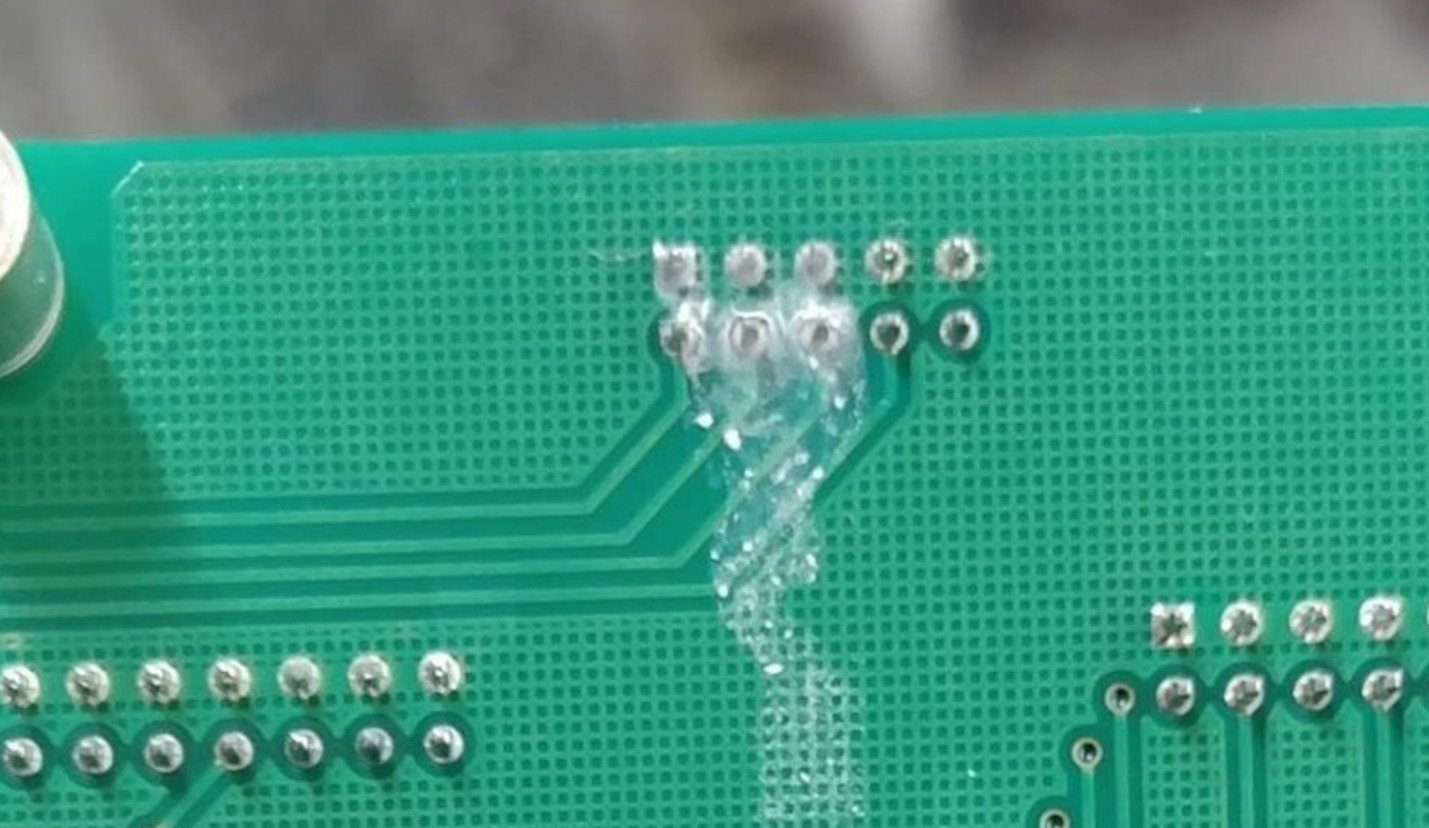
• Corrosion: Water can corrode the copper traces and solder joints, leading to broken electrical connections.
• Short Circuits: If water bridges two or more points on the PCB, it can cause unintended electrical paths, potentially damaging components.
• Component Failure: Sensitive electronic components can short out or become permanently damaged when exposed to moisture.
• Delamination: Prolonged exposure to water can cause layers of the PCB to separate, weakening the structure of the board.
Even after the module dries out, the damage may continue due to lingering corrosion and residue, leading to long-term failure.
Signs of Water Damage in an Electronic Module
If you suspect your electronic module has been exposed to water, look for these telltale signs:
• Visible Corrosion or Rust: Check for green or white residue in the connectors.
• Burn Marks or Discoloration: Water-induced short circuits can leave blackened or discolored areas on the PCB.
• Unusual Smell: A burnt or metallic odor may indicate component failure due to water exposure.
• Intermittent or Complete Failure: If the module is behaving unpredictably, losing functionality intermittently, or has stopped working altogether, water damage could be the cause.
Water Damage Often Indicates an Internal Leak
While it’s not uncommon for modules to suffer from water damage, the presence of water inside an electronic module is a symptom of an internal leak within the vehicle. In many cases, moisture enters through deteriorated seals, cracked housings, or leaks in components such as the cowl, windshield, or sunroof drains.
Before reinstalling a repaired or replacement module, it’s essential to identify and fix the source of the leak. Otherwise, the same problem that caused the initial water intrusion can quickly damage the repaired unit, leading to repeated failures and unnecessary costs.
Our team strongly recommends that customers thoroughly inspect the vehicle for leaks and address any issues before installing the module. Doing so helps protect your investment and ensures long-term reliability.
Can Water-Damaged Modules Be Repaired?
Water damage is a serious issue, and unfortunately, not all affected modules are repairable. However, at XeMODeX, we explore every possible option to assist our customers. Depending on the extent of the damage, we may be able to:
• Clean and Restore the PCB if corrosion is minimal and hasn’t compromised key connections.
• Replace Damaged Components if they are accessible and can be sourced.
• Transfer the Programming from the original module to a good used matching replacement.
• Offer an Alternative Solution if the module is beyond repair, such as replacement options or refurbished units.
While we cannot guarantee that every water-damaged module can be repaired, we are committed to exploring every option to get you a module that works. If you suspect your module has suffered water damage, send it to us for evaluation. Our experienced technicians will inspect the unit and determine whether repair is possible or if alternative solutions should be explored.
At XeMODeX, we take pride in offering honest, expert assessments and top-tier repairs. If you’re dealing with a water-damaged module, contact us today.
Visit www.xemodex.com to check out our products and services.